Product lifecycle management
Is your engineering data traveling by email, USB drives and shared folders?There’s a better way.
A PDM/PLM system is more than software: it is the digital backbone that connects a product’s design with its manufacturing, quality and delivery. Without it, the company runs on fragmented information, duplicate versions and decisions based on outdated data.
PDM
Product Data Management
Organizes and protects the product’s technical information.
PLM
Product Lifecycle Management
Connects data, approvals and traceability across the entire lifecycle.
The problem
What happens without a PDM/PLM system
Every day, entire engineering, production and quality teams lose hours of productive work dealing with problems that shouldn’t exist. These aren’t problems of talent or effort: they are information infrastructure problems.
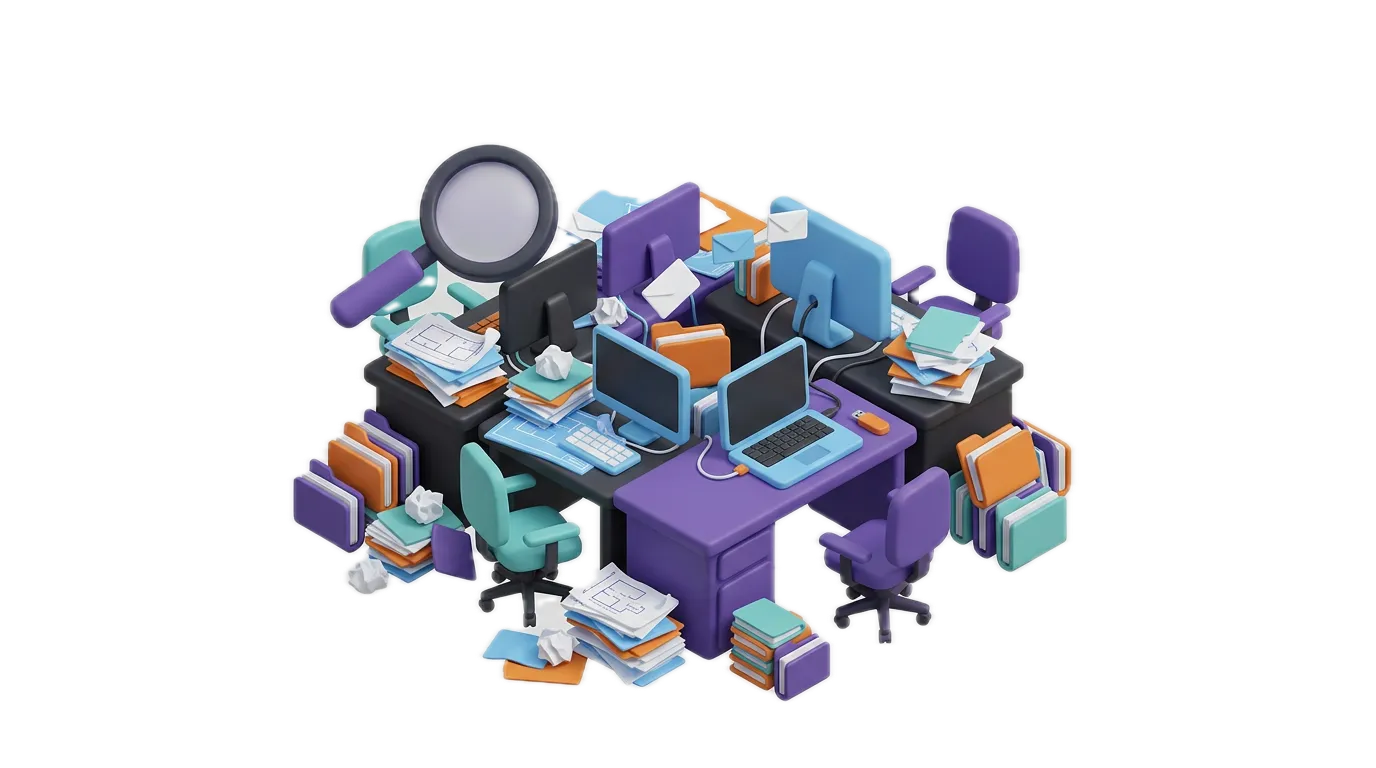
Uncontrolled versions
Which drawing is current? When CAD files live in shared folders, local PCs and USB drives, no one can be 100% sure they are working with the right version. A single outdated drawing that reaches production can mean a rejected part, incorrect tooling or an entire lot out of spec.
↳ Up to 25% of production errors stem from using the wrong drawing revision.
Email as the distribution system
Large CAD files move between CAD design, CAE analysis, CAM programming and production with no record of who received which version, no read confirmation and no access control.
↳ A critical file can have 4 to 6 different copies circulating at the same time.
Endless searches
An engineer needs the drawing for a part quoted months ago. What should take seconds turns into a search through folders, emails, servers and local computers, if the file turns up at all.
↳ Engineers spend up to 30% of their time looking for information instead of creating value.
Information silos
Sales quotes with one theoretical weight, Engineering designs with another, Process Engineering works from its own specifications and Quality inspects against a drawing that has already changed. Each department works from its own version of the truth because there is no single source of product data.
↳ Decisions are made with information that may be days or weeks out of date.
Uncontrolled engineering changes
A dimension is changed in the 3D model, but Production has already built parts to the previous version. There was no notification, no formal approval and no record of when or why the change was made.
↳ An uncontrolled engineering change can cost between 5,000 and 50,000 USD in rework.
No traceability
When a complaint comes in, reconstructing who designed the part, which drawing it was built to, what the material composition was and who signed off on quality can take days of manual digging through emails, spreadsheets and paper records.
↳ Without digital traceability, responding to a customer complaint can take 3 to 5 days.
“The problem isn’t that people don’t know how to do their jobs. The problem is that the right information doesn’t reach the right person at the right time.”
The solution
What a PDM/PLM system does for your company
PDM (Product Data Management) and PLM (Product Lifecycle Management) are complementary systems that organize, protect and distribute all product information from concept to delivery, and beyond.
PDM · Revision control
A single source of truth
3D models, drawings, CNC programs, simulations and data sheets live in a central repository with automatic revision control. When an engineer opens a file, they are guaranteed to see the current version; when they modify it, the system records who changed it, when and why.
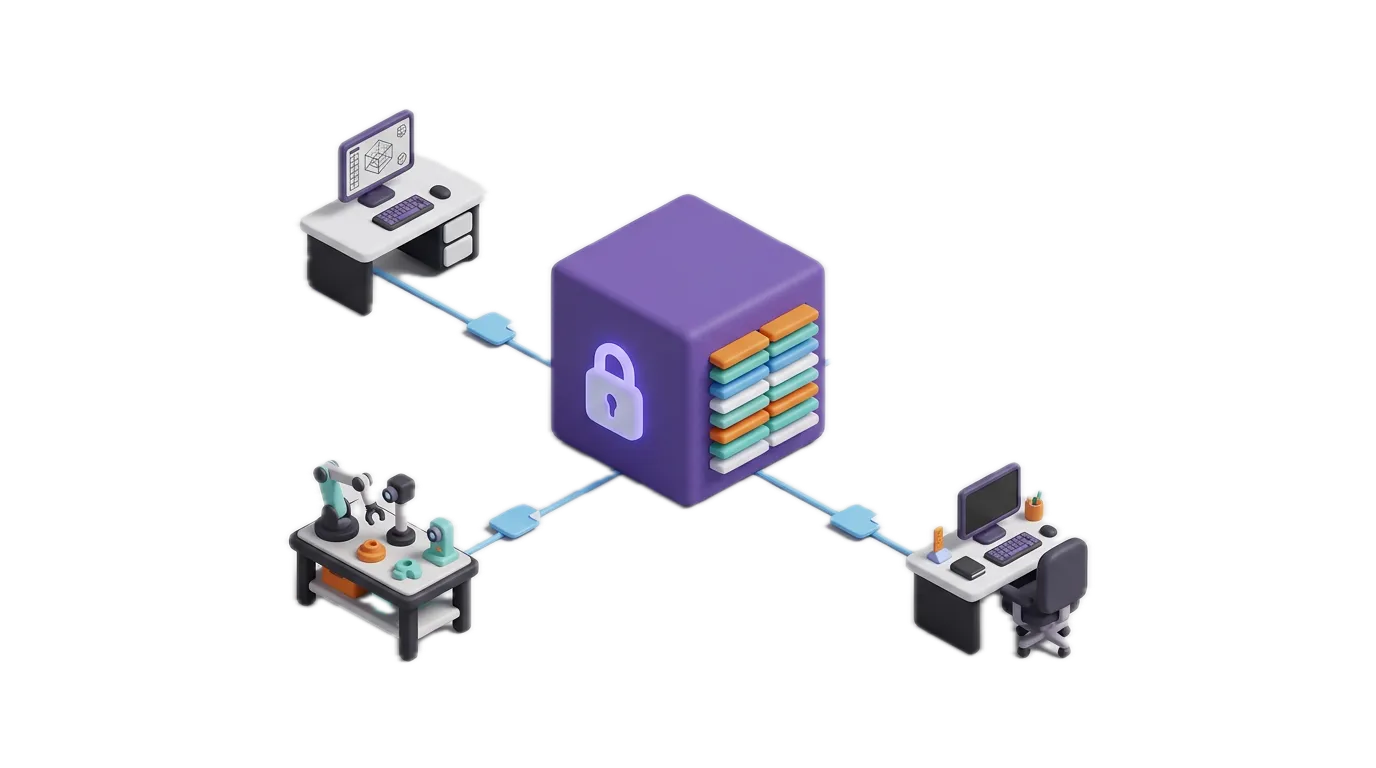
PDM · Check-in / Check-out
Check-in / Check-out: the end of conflicts
When a designer needs to modify a file, they check it out of the repository. While they work, no one else can modify it, though others can still view it. When finished, they check it back in with a change comment, eliminating version conflicts, duplicate copies and uncertainty.
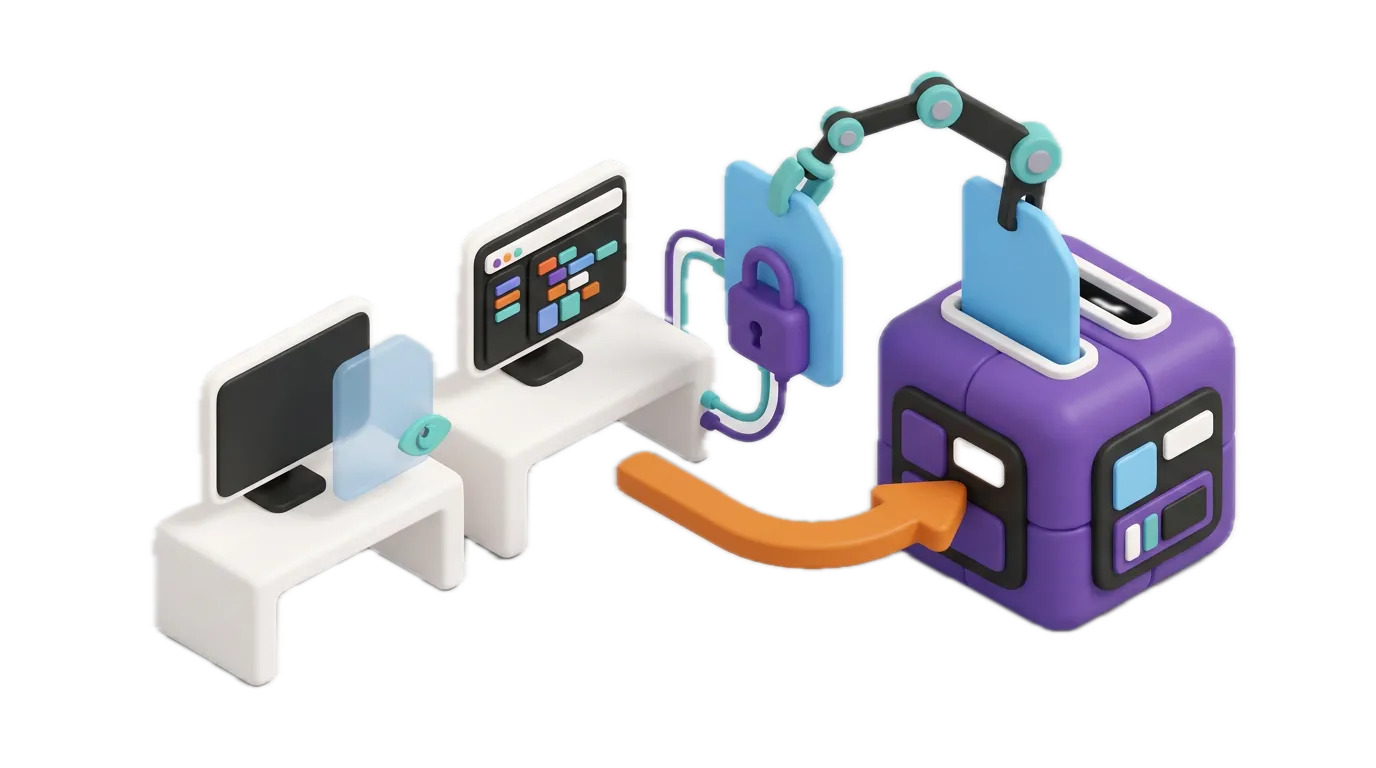
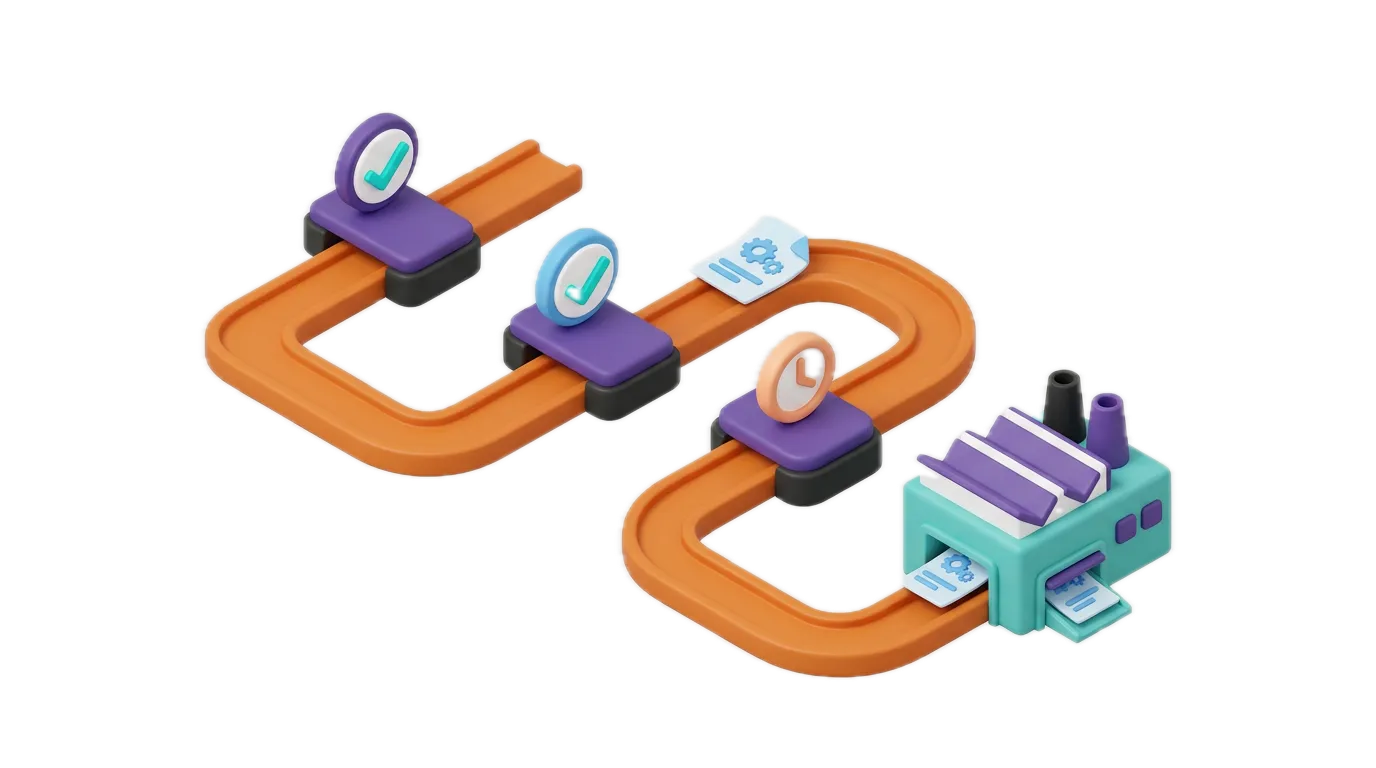
PLM · ECO/ECN change orders
Automated approval workflows
An engineering change isn’t applied until the right people approve it. The system sends notifications, records rejections and documents the reason. Once approved, the information is automatically released to the departments that need it.
PLM · Quality and items
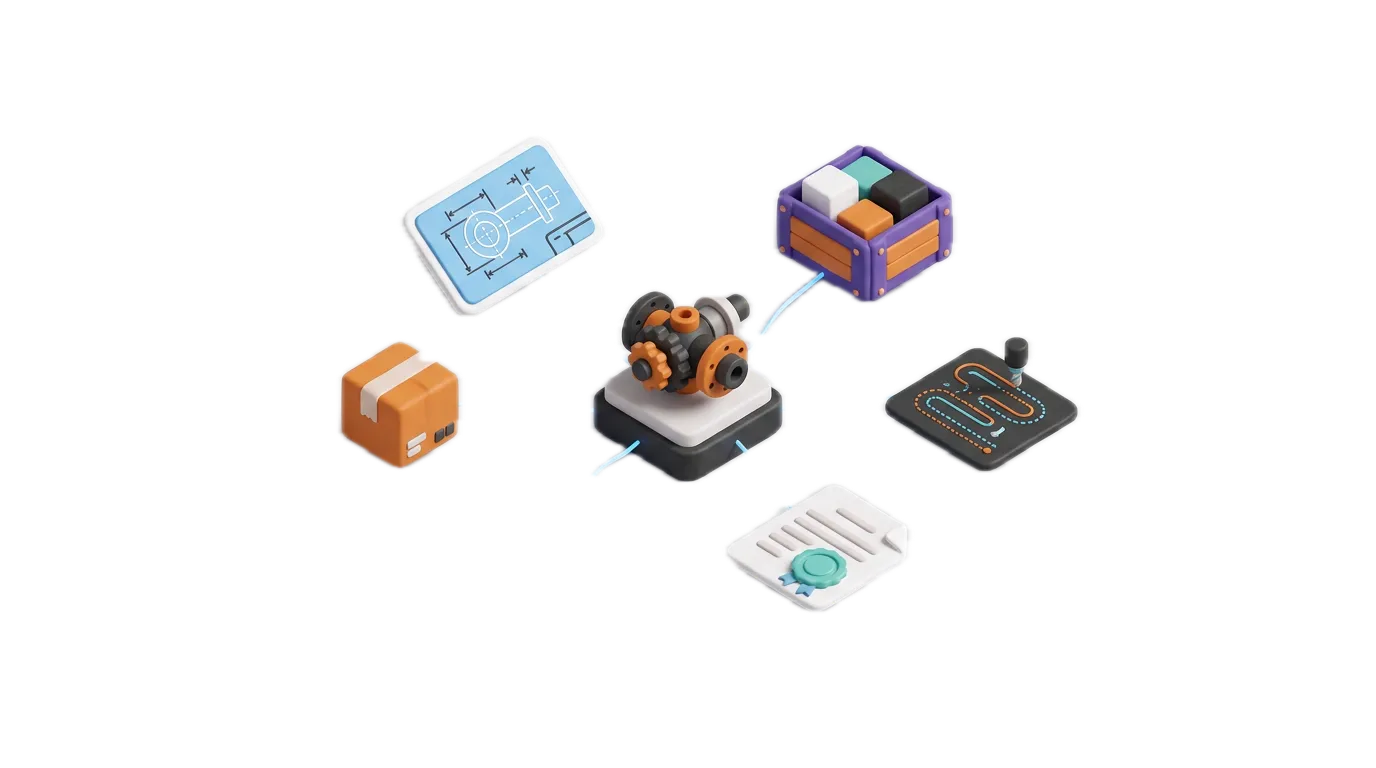
Full product traceability
From part number to quality certificate, including materials, processes and the tooling CNC program, every element is digitally linked so the product history can be reconstructed in minutes.
PDM + PLM · Integration
Information that flows between departments
When Engineering releases a design, Production sees it immediately. When Process Engineering defines a specification, Quality can review it instantly. Purchasing has access to the eBOM, and departments stop operating as silos and start working in a connected ecosystem.
PLM · In the cloud
Secure access from anywhere
Sales, Quality and Management can view drawings, certificates or project status from a web browser. Each user sees only the information their role allows, without relying on local copies or email chains.
Platform-agnostic
We work with every major brand
We don’t represent any vendor. We assess your operation and help you implement, migrate or integrate the system that fits best, or get more out of the one you already have.
Autodesk® Vault™
PDM
Revision control, check-in / check-out and release workflows integrated with Autodesk CAD.
Autodesk® Fusion Manage™
Cloud PLM
Change orders, items, bills of materials and quality in a cloud PLM connected to PDM.
PTC® Windchill®
PLM
Enterprise PLM for product structures, change management and configuration management.
SOLIDWORKS PDM® · 3DEXPERIENCE®
PDM / PLM
Data management for teams designing in SOLIDWORKS and collaboration on the 3DEXPERIENCE platform.
Siemens® Teamcenter®
PLM
Enterprise PLM for the product lifecycle, multi-site BOMs and engineering processes.
All trademarks mentioned belong to their respective owners; see the note in the footer.
Time impact
Where lost hours are recovered
Implementing PDM/PLM doesn’t just organize information: it frees up productive time that is currently consumed by manual tasks, searches and rework.
per search
Finding a design file
From browsing folders, asking coworkers and digging through emails to searching by part number, customer or material property with instant results.
▼ 99% reduction in search time
per change
Processing an engineering change
From routing paper documents for signatures to a digital approval workflow with automatic notifications and a record of every decision.
▼ 90% reduction in change cycle time
per complaint
Responding to a quality complaint
From manually investigating emails, spreadsheets and paper records to reviewing the part’s full traceability: design, lot, treatment, inspection and shipment.
▼ 95% reduction in investigation time
per quote
Preparing a technical quote
From hunting for old drawings, recalculating weights and rebuilding the cost estimate to checking the Item Master with weight, material, price history and eBOM at hand.
▼ 95% reduction in quote preparation
risk
Eliminating USB transfers
CNC programs no longer travel on USB drives without backup or revision control; they are available from a controlled central repository.
▼ Risk of data loss eliminated
process
Generating PDFs and derived formats
Every check-in of a CAD file can automatically generate its corresponding PDF, DXF and DWF, with no manual work and no outdated derived documents.
▼ Process automated by the PDM system
Before vs. after
The contrast is striking
The change isn’t just about storing files. It’s about establishing a reliable source to design, approve, manufacture and respond with evidence.
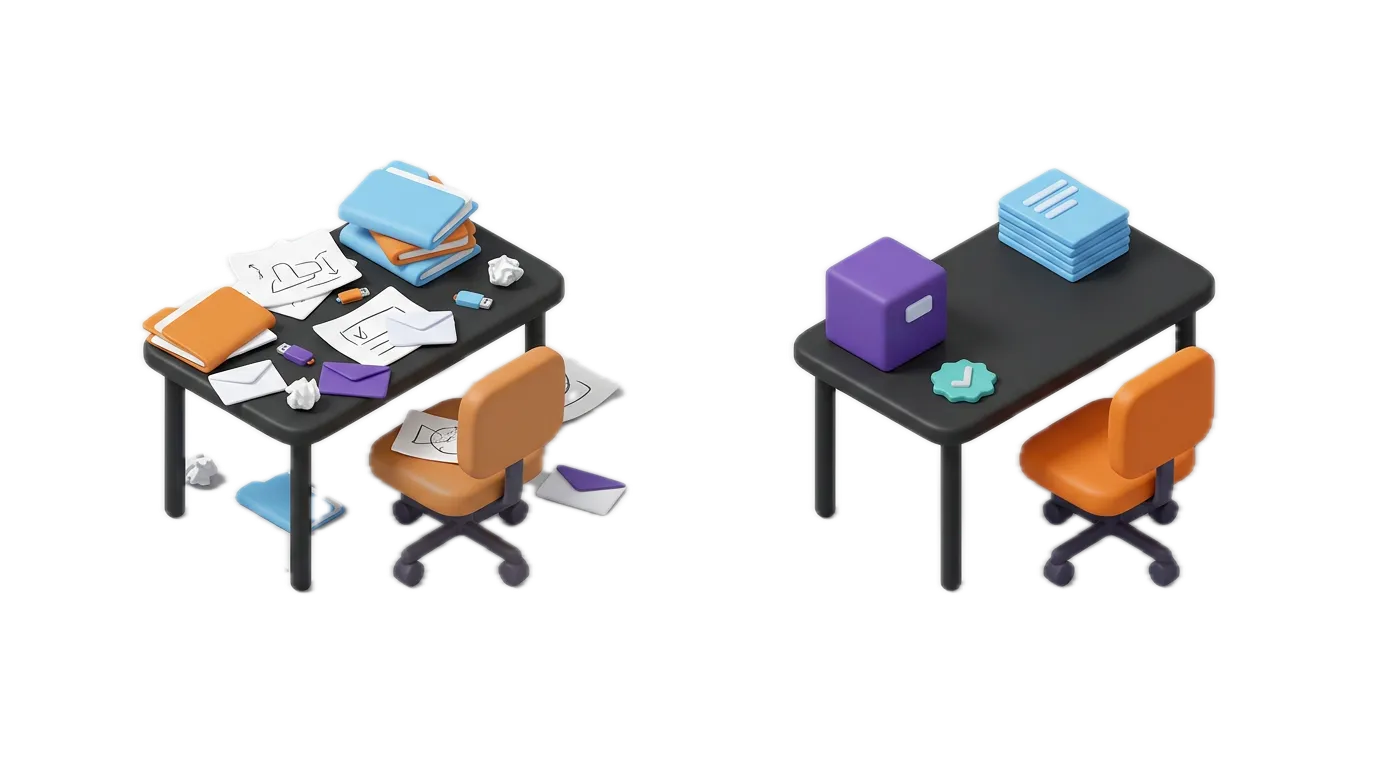
Without PDM / PLM
- Files in server folders, local PCs and USB drives
- Drawings distributed by email
- Manual or nonexistent revision control
- Part control log in Excel
- Approvals by wet signature and email
- Backups scattered across server, cloud and local PC
- CNC programs transferred on USB drives
- Traceability reconstructed by hand
- Costing based on hunting down scattered data
- Product information in multiple disconnected systems
With PDM / PLM
- Central repository with a project structure
- Direct file access from the PDM system or a web browser
- Automatic versioning with full history
- Digital Item Master with eBOM and properties
- Digital approval workflows with notifications
- Centralized backup with an integrated disaster recovery plan (DRP)
- CNC programs accessible from the repository
- Instant digital traceability: part → lot → certificate
- Costing linked to the Item Master with real-time data
- Connected ecosystem: CAD ↔ PDM ↔ PLM
Next step
The question isn’t whether you need a PDM/PLM system.The question is how much longer you can operate without one.
Every day without product data control is a day of risk: errors, rework and decisions based on incomplete information. Implementation isn’t an expense: it’s the investment that protects everything else.